
Suppose a proposed restaurant has entrées that would stretch your week, while a café or lunch spot fits easily. The choice is not a test of how interested either person is. A reasonable first-date limit is the amount you can spend from discretionary money after obligations, with room for tax and customary tip; pick a format whose likely total stays under that cap. Keep it comfortable. Skip the performance.
Published by First Date Compass
What your comfortable limit says about the right plan
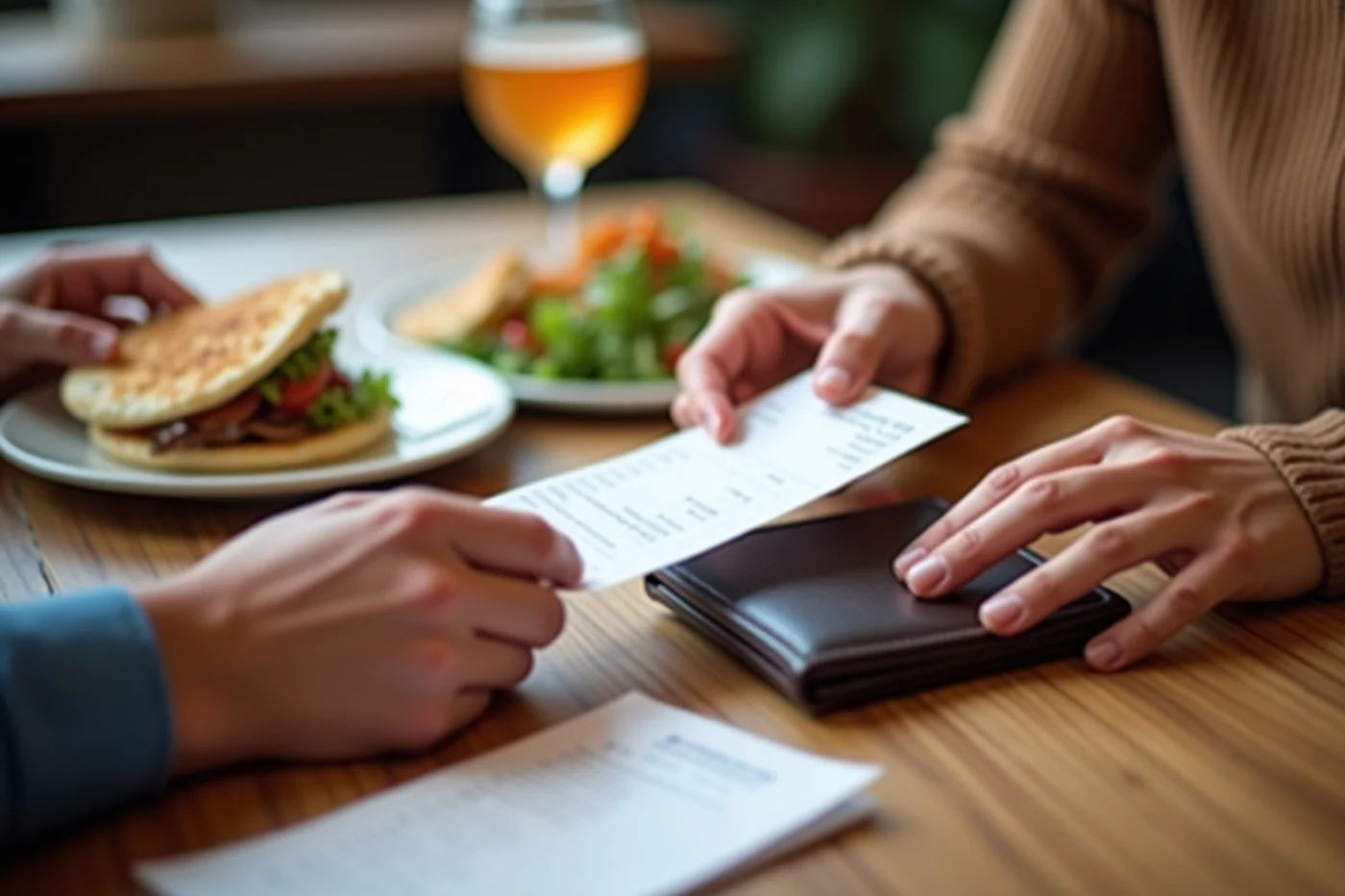
Your limit belongs to the money left after rent or mortgage, bills, debt payments, groceries, planned savings, and other obligations. It should also cover the rest of the week. That leftover amount—not a date's neighborhood, the other person's income, or a desire to impress—sets the ceiling for the plan. If paying for the outing would require borrowing, carrying a balance, or cancelling an important payment, the plan is too expensive.
Income comparisons create bad advice because two people with similar earnings can have very different obligations. Set the cap before choosing a venue, then judge the invitation by its likely total. A first date that fits comfortably lets you pay attention to the meeting itself; a bill that occupies your thoughts has already distorted the experience.
A thoughtful date does not require a large bill
The observable details of a date appear before the check arrives: the venue suits the agreed timing, the setting allows conversation, and the plan reflects what both people discussed. Those choices show preparation and attention. A high charge records money spent; it does not establish seriousness, generosity, or compatibility.
Someone who selects an expensive place has chosen an expensive format, not demonstrated a deeper level of interest. Someone who chooses a modest setting has not automatically shown less care. Suitability matters more here: a place that fits the time, conversation, and comfort of the meeting serves the date better than a costly room that creates financial strain. Evaluate the plan on that basis.
When the suggested venue exceeds your comfort zone

An expensive suggestion calls for no detailed financial explanation. State a preference for a simpler format, offer a shorter meal or a venue with a smaller menu, or decline the plan if the total still sits outside your limit. At the venue, pick one item within the cap and skip add-ons so the order follows the decision already made. A plan within your limit is the right plan; declining an unsuitable venue is not a criticism of the other person's taste.
Signs that cost is creating unhealthy pressure
Financial pressure becomes a warning sign when someone insists on an unaffordable venue after learning your limit, mocks a reasonable spending boundary, or changes a simple plan into a more expensive one without agreement. The problem is not that the other person prefers upscale dining. The problem is their response when your limit conflicts with that preference.
Pressure crosses another line when spending is presented as a reason you owe romantic attention, continued contact, physical affection, or sex. Money never creates those obligations. Repeated pressure is enough reason to revise or end the date plan.
A realistic first-date spending range
U.S. first-date totals vary by city, neighborhood, tax rate, and venue type, so one national dollar figure would mislead. Coffee or tea usually produces a smaller, more controllable bill than a full meal. Lunch generally carries a different menu and time commitment from dinner. An admission-based plan adds ticket costs before food or drinks enter the calculation, while a bar visit introduces a less predictable total as orders accumulate.
Check the venue's current menu or admission page before agreeing, including service charges, reservation fees, and other listed costs. Add local tax and a customary tip to the prices you see. Any dollar example published online is illustrative, dated, and non-universal; the current venue total matters more. Use the format whose estimated amount stays below your personal cap.
Set your cap from money left after obligations, check the venue's current prices, and use a format whose estimated total—including tax and customary tip—stays below it. That decision handles the financial question before the date begins. Respect for the limit settles the important part; treating it as an insult is a reason to reconsider the plan.