
A bill split is a small piece of first-date logistics, not a test of generosity or interest. Mention your preference once, early enough for the plan or the server, then arrange separate checks or divide a genuinely shared total. At a cafe counter, that looks like each person ordering and paying at the register before carrying drinks to the table. Brief is better.
Published by First Date Compass
A Bill Split Is Easier When the Preference Is Stated Clearly
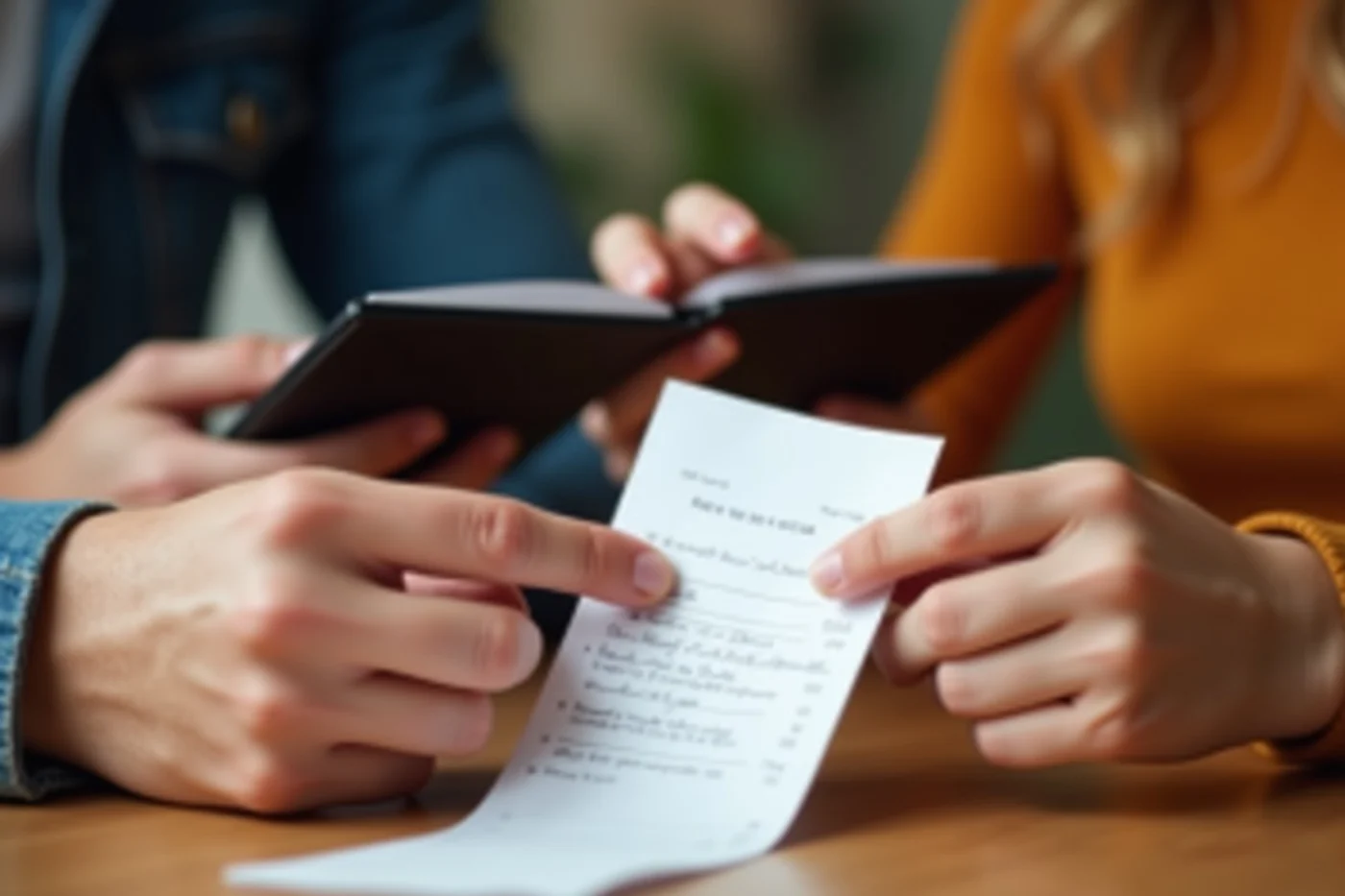
When an expensive dinner is on the table, raise payment while settling the venue and time. Separate payment belongs with the plan, particularly when two people have never met. A brief note that each person expects to cover their own order removes the surprise before anyone studies a menu.
For coffee, lunch, or a drink, waiting until the check approaches is usually enough. Watch for the server's return, take out your card, and state the arrangement: separate checks for individual orders, or an equal division when the meal was genuinely shared. At a table with a paper check, raise it before the server walks away with the folder; at a counter, settle it while ordering. One statement settles the logistics. Reopening the subject after the cards are down turns a small preference into a debate.
The Moment of Confusion Usually Comes From Assumptions
Two cards sitting beside one check create the familiar pause. One person may expect each diner to pay their own food and drinks; the other may be ready to cut the final number in half. Neither reading is rude, but they produce different totals when one meal includes several drinks, an entree, or a shared appetizer.
Ambiguous gestures add friction. Reaching for the check, then waiting to see whether the other person protests, leaves the arrangement unstated. Name the method before payment begins: separate checks, equal halves, or individual items plus half of the shared plate. The server needs the method, not a performance.
When Your Date Offers or Insists on Paying
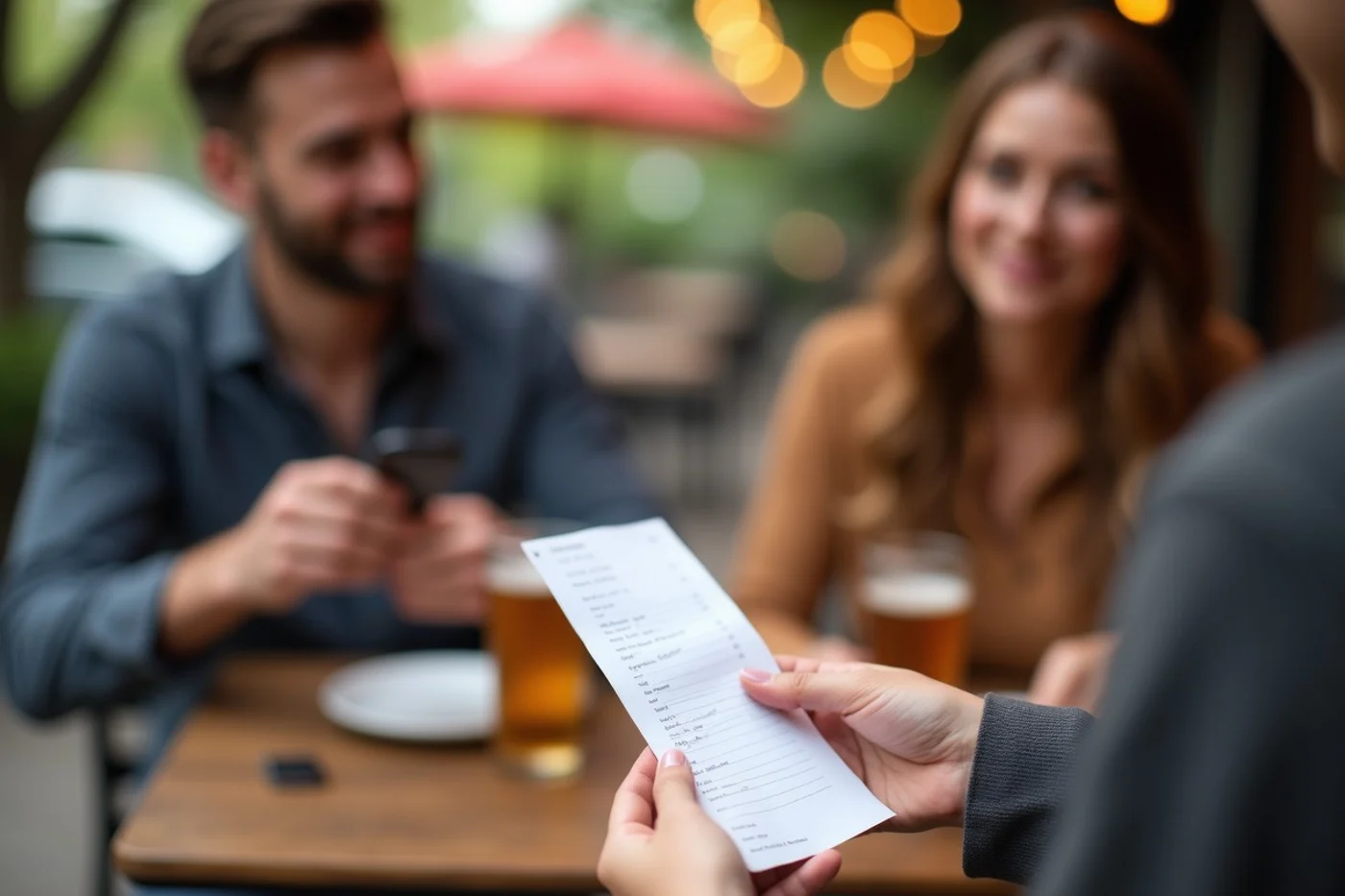
An offer to pay often reflects generosity, habit, or a wish to keep the evening moving. There is no need to turn it into a test of wills at the table. Accept it with thanks if that arrangement feels fine.
Covering your own order may matter to you. State that preference once, then let the other person respond. A repeated insistence presents a simple choice: accept graciously, or keep separate payment and move on without defending it. When the evening already includes a second stop for coffee or dessert, offering that later item is a tidy gesture; it should not become a debt marker or a promise of another date. The check deserves less attention than the conversation.
Polite Phrases for Dates and Servers
Short wording works because it supplies the missing detail. For individual orders, identify separate checks before the server enters payment. For a shared appetizer or bottle, identify the shared item and state how its cost is divided. Clear language names the arrangement, not anybody's motive.
Unequal orders call for an equally direct description. When one person ordered much more, paying individual items usually fits the meal better than a fifty-fifty division. When the check has already been combined, state the amount each person plans to put on a card before the terminal arrives. A server is sorting payment, not judging the date.
Before you leave, settle on the arrangement you genuinely prefer: separate orders, equal halves for a shared meal, or acceptance of an offer to pay. Then use that arrangement at the first natural payment moment. A decisive sentence to the server beats the silent card shuffle.