
A modest discount only becomes memorable when it hijacks the evening. Yes, using a valid coupon on a first date is okay, provided the offer does not dictate your date’s order or turn payment into a performance. Courtesy lies in the setup, not the savings.
Published by First Date Compass
Using a Coupon Is Usually About Presentation, Not Price
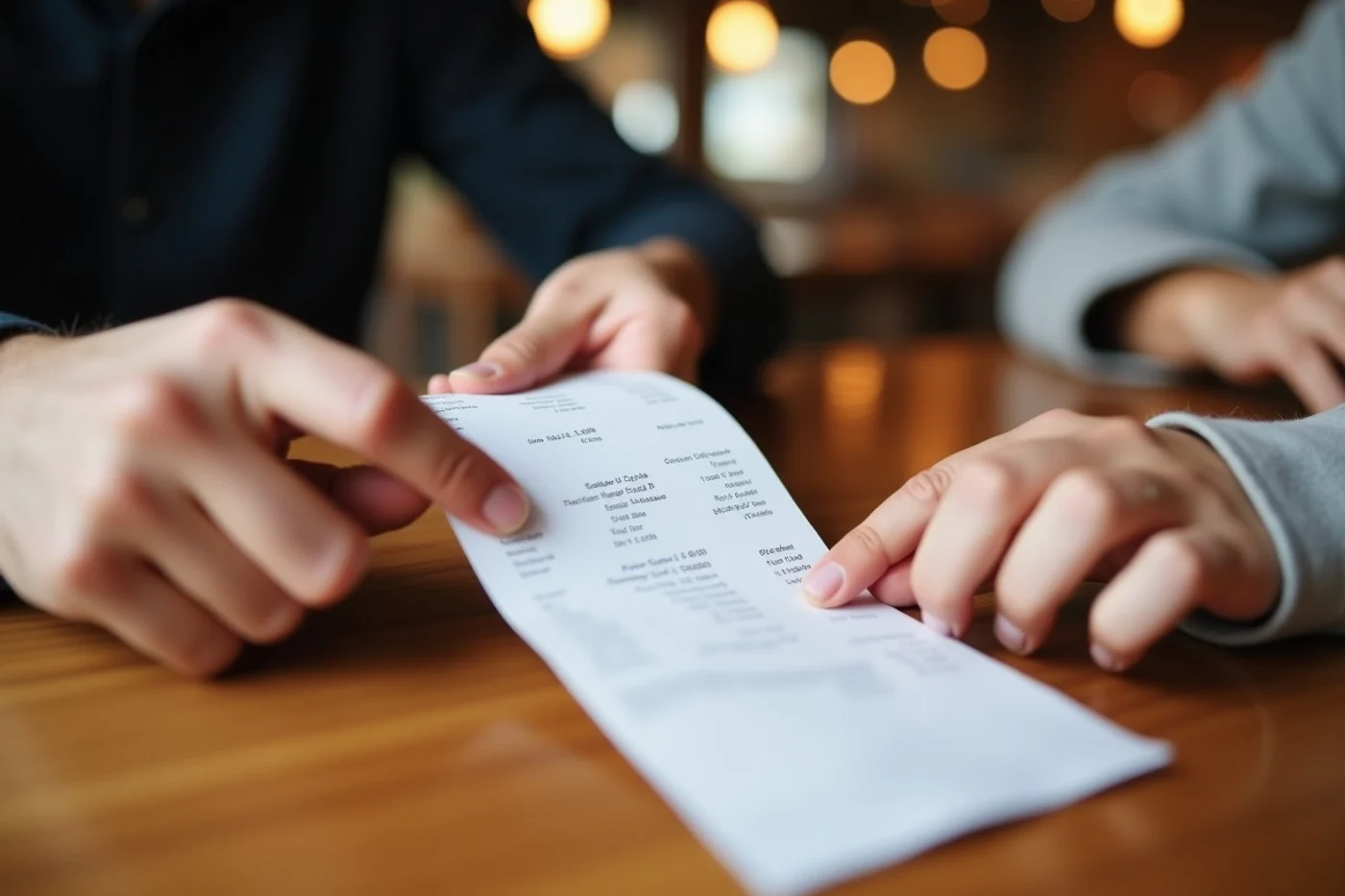
A valid coupon signals ordinary thrift at a coffee counter, lunch spot, or casual restaurant. Restaurants issue deals to be redeemed. Treating redemption as a breach of etiquette gives the discount far more drama than it deserves. No moral value attaches to paying the posted price. The bill is one small piece of the evening, alongside attentiveness, ease, and a setting that permits conversation.
The mood changes when the offer becomes the reason for the outing. Mentioning a two-for-one deal before settling on a place frames the evening around a shared option. Pulling out a straightforward percent-off code at payment, after both orders are already settled, barely registers. The distinction matters because first dates are partly an exercise in attention: your date should feel like company, not the extra item needed to activate a promotion. That is a poor role for anyone across the table.
What the Coupon May Communicate in Context
The real concern is control. A coupon feels off when its terms push your date toward food or drinks they did not want, or when you steer the venue entirely because a deal expires that night. Savings are ordinary; arranging another adult’s choices around a discount reads as stingy or overly rigid.
Consider two invitations to the same casual restaurant. One comes with an open menu and a quiet coupon at checkout. The other depends on both diners ordering qualifying entrées, skipping the items they actually wanted, and reaching a minimum total. The first leaves the other person’s preferences intact. The second asks them to help fulfill your transaction. That burden, not the coupon, causes the awkwardness. A deal worth using fits the outing already on the table.
When the Discount Requires Ordering Rules or an App

Coupon terms deserve attention before the date, not under the server’s eye. The expiration date, eligible menu items, days and hours, minimum purchase, dine-in or pickup condition, and app requirement all matter. Before you build an outing around an offer, verify that it still appears in the merchant’s current terms.
A code that requires two full-price entrées or a higher minimum than two people would normally spend is poor first-date material. So is an app-only offer that demands a login and a barcode hunt at the table. Save those for another meal.
Smooth Ways to Handle the Transaction
Timing follows the restriction. When an offer changes the restaurant, day, menu, or minimum order, bring it up while settling on the outing, before your date has agreed to anything. A standard discount with no effect on their order belongs at the payment stage. Hand over the barcode or show the app without commentary, then return attention to the table.
The cashier sometimes needs a moment; that is normal. What drags is narrating the savings, disputing a declined code, or asking your date to wait while you search through emails. Have the offer ready, and drop it without debate if the register rejects it.
Respond Calmly if Your Date Reacts Awkwardly
An awkward reaction calls for proportion. A brief acknowledgment shows awareness; a defense of every financial choice turns a small moment into the subject of the date. Put the coupon away if its terms prompt a dispute, if the discount fails, or if your date seems caught off guard by a restriction you failed to mention. The few dollars are not worth prolonged attention. No apology is needed for ordinary thrift, only courtesy when its terms affect another person.
Where table service and tipping apply, calculate the tip from the pre-discount cost of the food and service. The server did the same work regardless of a promotion. That choice protects the staff from a discount they did not create and closes the transaction cleanly.
Before you move on
Are gift cards different from coupons on a first date?
Not in the way that matters. A gift card or loyalty reward belongs in the background when it leaves your date’s order untouched and carries no minimum or redemption rule that reshapes the outing. Payment is the right moment for the card or reward; earlier disclosure matters only when it affects the venue or menu.
Is it rude to use a coupon for only my own purchase?
No, provided the coupon does not quietly impose an expectation on the other order. A one-item reward is straightforward when it applies to your own coffee or meal. A promotion that requires a companion’s purchase belongs in the conversation before the restaurant is set.
Money needn’t become a test of generosity on a first meeting. A valid discount belongs in the background, with food and conversation getting the attention. If the offer lets both people order freely and clears without fuss, use it; if it dictates the menu, timing, or tone, save it for another outing.