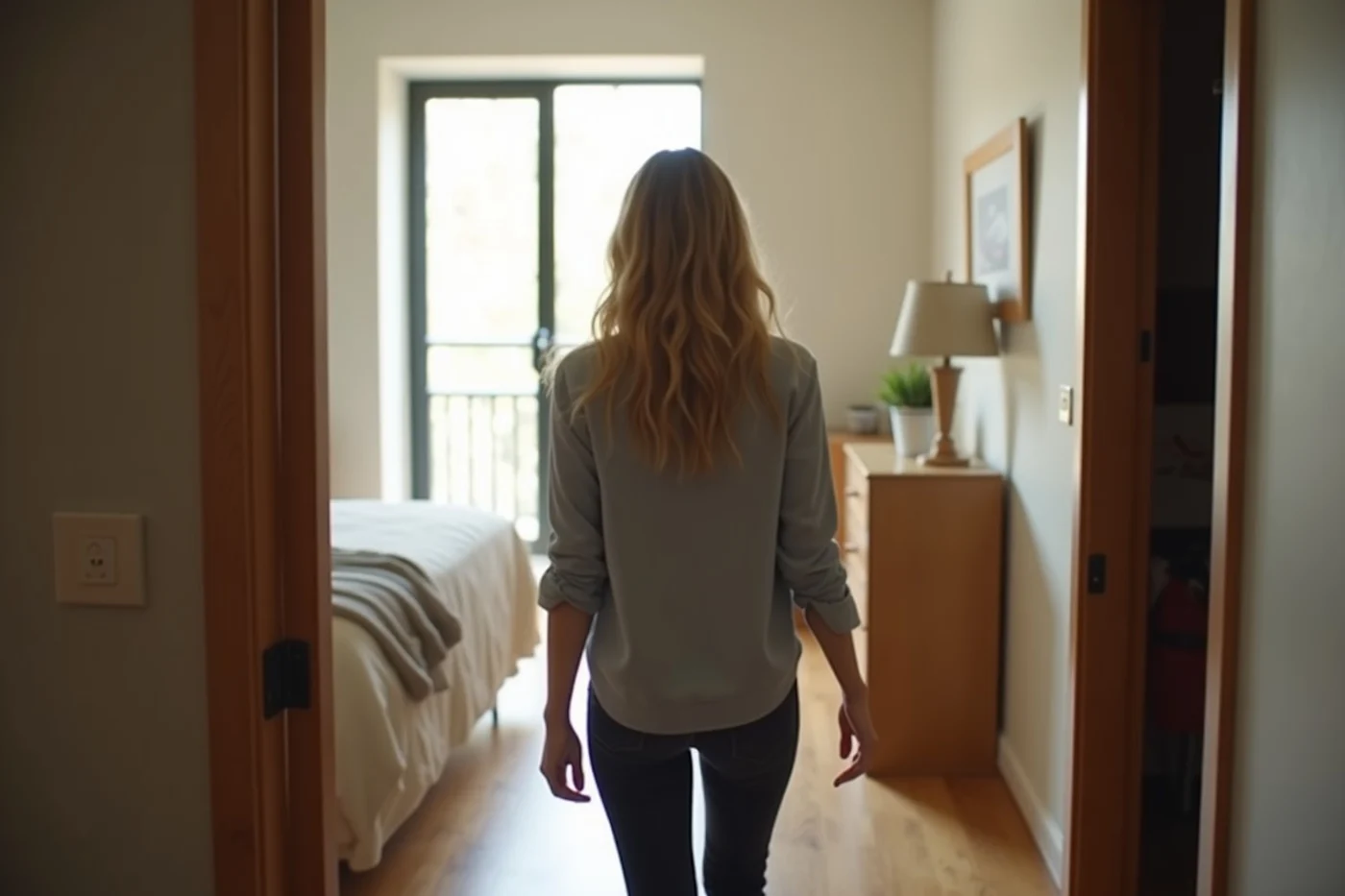
Venue and timing decide how casual looks: a lunchtime coffee shop, an after-work bar, and a walking date do not ask for the same finish. The right choice is clean, familiar clothing that fits well, suits the activity, and looks one small step more intentional than an errand outfit. Your outfit should let you sit, walk, and focus through the date without constant adjustment.
Published by First Date Compass
What does casual mean for this venue?

Casual changes with the place and the part of the day. A coffee shop or lunch spot usually calls for clean jeans, chinos, relaxed trousers, or a casual skirt with a simple shirt, knit, or neat T-shirt; clean sneakers, loafers, boots, or flats complete the outfit. A neighborhood bar often benefits from one notch more finish: dark denim or trousers, a well-fitting top, and a light jacket, overshirt, or cardigan. Nothing needs to look newly purchased. It does need to look chosen.
Walks and low-key activities put movement ahead of visual drama. Shoes suited to the route, a removable layer, and clothing that lets you sit, reach, and walk without fussing fit the occasion. For an art class or casual game, the same base works: clean everyday bottoms, an unfussy top, and secure footwear. This is a date, not an audition for a version of you who owns impractical clothes.
Comfortable clothing looks more confident than an overdone outfit
- Choice: Familiar, well-fitting clothes Benefit: You already know how they sit, move, and look after an hour. Cost Of Overdoing It: A tight, stiff, slippery, or unusually dressy piece invites repeated checking and adjusting.
- Choice: Footwear you have worn comfortably Benefit: You can walk to the venue, stand in line, or extend the date without nursing your feet. Cost Of Overdoing It: Shoes chosen only for appearance turn a short walk into an unnecessary ordeal.
- Choice: Clean clothes and basic grooming Benefit: Fresh, undamaged garments and a tidy finish show care without creating a costume. Cost Of Overdoing It: Stains, fraying, wrinkles, or an overly elaborate look draw attention away from the person wearing them.
When you are coming straight from work

Work clothes are not automatically too formal for an after-work date. A clean button-up, blouse, knit, trousers, or plain dress often fits a coffee shop or lunch spot as-is, especially when it already resembles your normal off-duty style. Changing everything adds time and the slightly strained feeling of wearing a costume.
For a neighborhood bar, a casual activity, or a more relaxed venue, one switch usually does enough: remove a structured blazer, swap office shoes for comfortable boots or clean sneakers, or replace a work tote with a smaller everyday bag. The base outfit stays familiar while the finish matches the setting.
Formal work settings call for a bagged change of top or footwear before you leave home. That small reset works better than arriving in clothes that restrict movement or advertise a meeting you never quite left.
Signs an outfit will distract you during the date
The warning signs show up before departure: a waistband that needs tugging, straps that slip, shoes that hurt after a few minutes, or a hem that demands constant attention. Those items pull focus away from conversation because you are monitoring the clothes as much as the date.
An untested garment, obvious stains, sharp wrinkles, or heavy fragrance creates a separate problem. The first two look unfinished; the last one lingers at close range. A snagged seam or peeling shoe sole belongs in the same category. Clothes that feel unlike your normal style tend to produce the same self-consciousness, even when they look polished.
Before leaving, sit down, reach overhead, walk around, and look in a mirror in typical indoor light. Change the one item that fails that check. A cleaner, easier outfit beats a more dramatic one that needs supervision.
Set the complete outfit out before you leave, then spend two minutes sitting, walking, and checking it in typical indoor light. Anything that pulls, hurts, or asks for repeated adjustment belongs back in the closet. The best choice lets you arrive focused on the person and the setting—not on your shoes, hem, or collar.