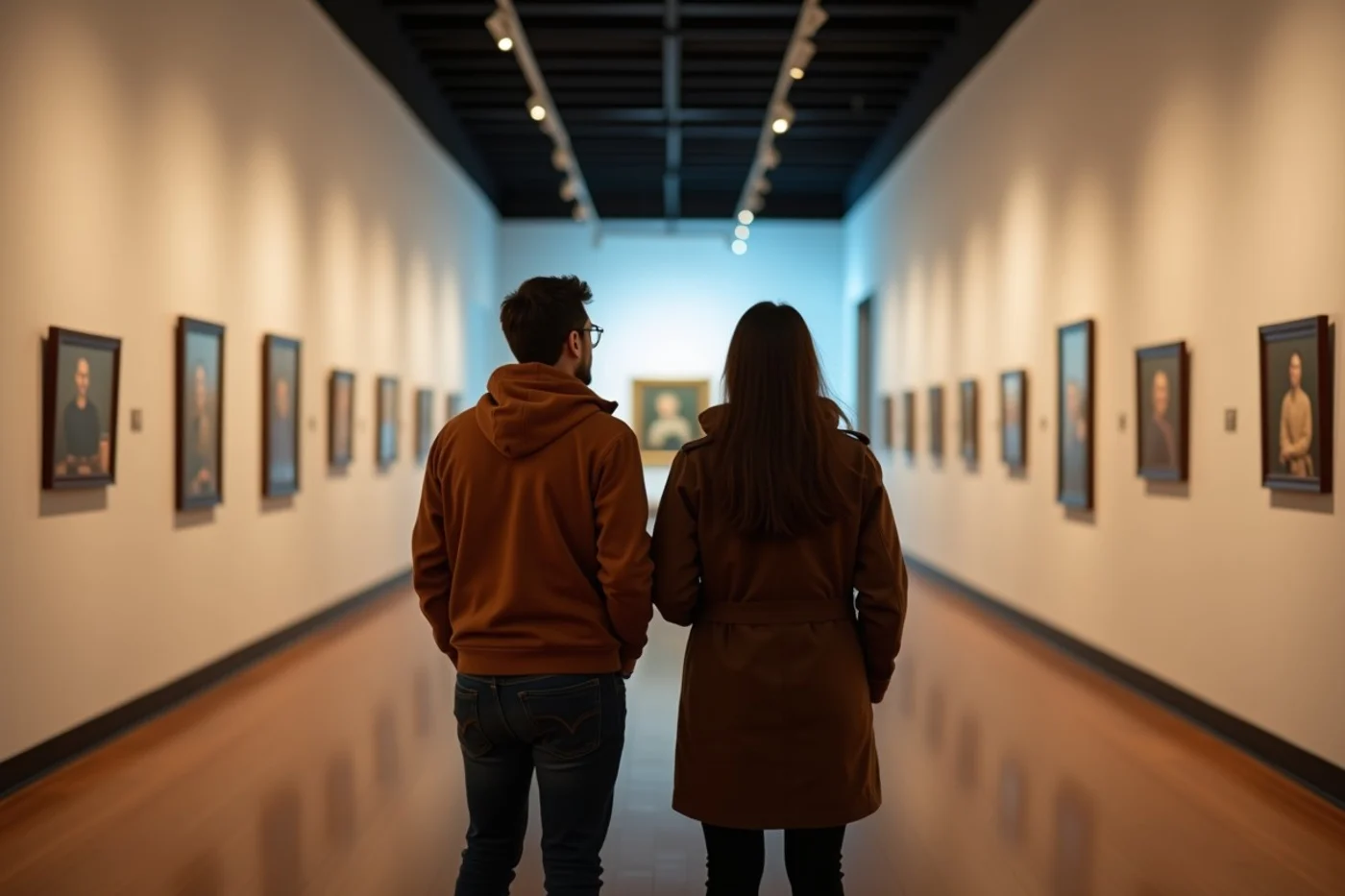
With only 45 minutes, the clock becomes part of the design. Coffee shop first date ideas work best when the meeting has a small amount of structure: order together, talk for a relaxed stretch, then decide whether to add a brief walk or finish after one drink. A shared display, a drink comparison, or a nearby stroll gives the conversation a change of scene without turning the date into an activity program. The clock supplies an ending; an easy conversation supplies the extension.
Published by First Date Compass
When You Have Only 45 Minutes at the Coffee Shop

At 45 minutes, the clock is part of the design. The meeting has enough time for names, work, interests, and a few follow-up questions, but it does not demand an entire evening’s stamina.
The simplest format is shared ordering followed by about half an hour at the table. The endpoint arrives after one round of drinks, with an easy extension available: another drink or a brief walk. A second format suits a busier café: order, sit for 20 minutes, then browse a display or step outside for ten. The change of position breaks up a stiff face-to-face stretch while keeping the date centered on conversation.
A hypothetical plan might look like this: five minutes ordering, 25 minutes talking, ten minutes walking, and five minutes to say goodbye or continue. That last decision belongs at the end, not in the opening itinerary. When the conversation feels easy, extending by one small segment is enough. When it feels forced, the original 45-minute boundary has done its job.
Conversation-Friendly Café Activities
An art wall, pastry case, or shelf of books gives two people something in view to notice. The important detail is the pause: one person points out a title or image, the other responds, and the conversation gains a fresh thread. A display that demands a long explanation or a queue turns the meeting into a side task.
Drinks offer a similar pivot. When the café offers a tasting flight, compare flavors and return to familiar topics; for people who enjoy books, exchanging one recommendation each creates a small personal reveal without opening a deep interview. A brief nearby stroll serves the same function when the route is easy to reach. If both people keep adding comments and questions, continue the café thread or take the short walk. If one person keeps scanning the room or answering in fragments, skip the extra activity and let the date end cleanly.
The Best Café Setup Supports Both Conversation and Flexibility

The table location shapes the first few minutes. A two-top beside the espresso machine, speaker, or queue turns every question into a hearing test; a quieter table with enough space for two drinks lets faces, hands, and words stay in view. Side-by-side seating at a counter suits a short, lightly active meeting, while a small table suits longer conversation. The deciding feature is simple: both people hear each other without leaning across a crowded surface.
Ordering flow carries social weight. A counter with a long line creates an immediate task and a pause where both can look around, which helps people who dislike walking into a silent table. A server-led setup gives more time to settle before choosing drinks. Either way, ordering together keeps the opening shared; arriving with one person already seated and one still deciding creates a different rhythm.
Coffee need not be the common denominator. Tea, hot chocolate, iced drinks, or water give non-coffee drinkers a natural place in the order. The strongest setup joins an easy purchase with a seat that supports hearing and a layout that permits a quick goodbye or a short extension. No elaborate café feature is needed.
Which Coffee Shop Plan Fits Your Comfort Level?
Comfort level should shape the amount of structure. A nervous or introverted pair often benefits from one drink, one nearby point of interest, and a firm 45-minute end. That plan removes the pressure to perform for an entire evening. A pair already chatting easily before meeting can add a short stroll after the first round, giving the date a little movement without booking a second destination.
Interest shows up in the transition. When both people finish their drink slowly, return to the topic, ask a follow-up, or suggest seeing the display, the extra minutes have a clear basis. A calm exchange counts as chemistry worth noticing; first-date attraction is not required to arrive as fireworks. The absence of fireworks alone is not a verdict.
At the end of the first round, two clean options remain: order another drink or say goodbye. A second drink fits when the conversation keeps drawing both people forward. A brief walk fits when sitting has become tiring but interest remains. A warm goodbye fits when the meeting has reached its natural limit. The café date feels easier when the extension is small and the exit is straightforward.
At a coffee shop, the best plan is small enough to end cleanly and flexible enough to grow by one segment. When both people keep asking, laughing, and lingering, add another drink or a short walk. When replies shorten and attention drifts, finish after the first round. Pick the option that matches the conversation in front of you, not the date you imagined before arriving.