
At the end of a date that felt warm, the goodbye often creates more pressure than the date itself. Kiss when both people seem interested and one person has received an enthusiastic yes—not because dinner ran long, eye contact lingered, or a walk reached someone’s door. A direct question protects the moment from guesswork. Waiting is a confident choice, even after a strong connection.
Published by First Date Compass
There is no universal deadline for a first kiss
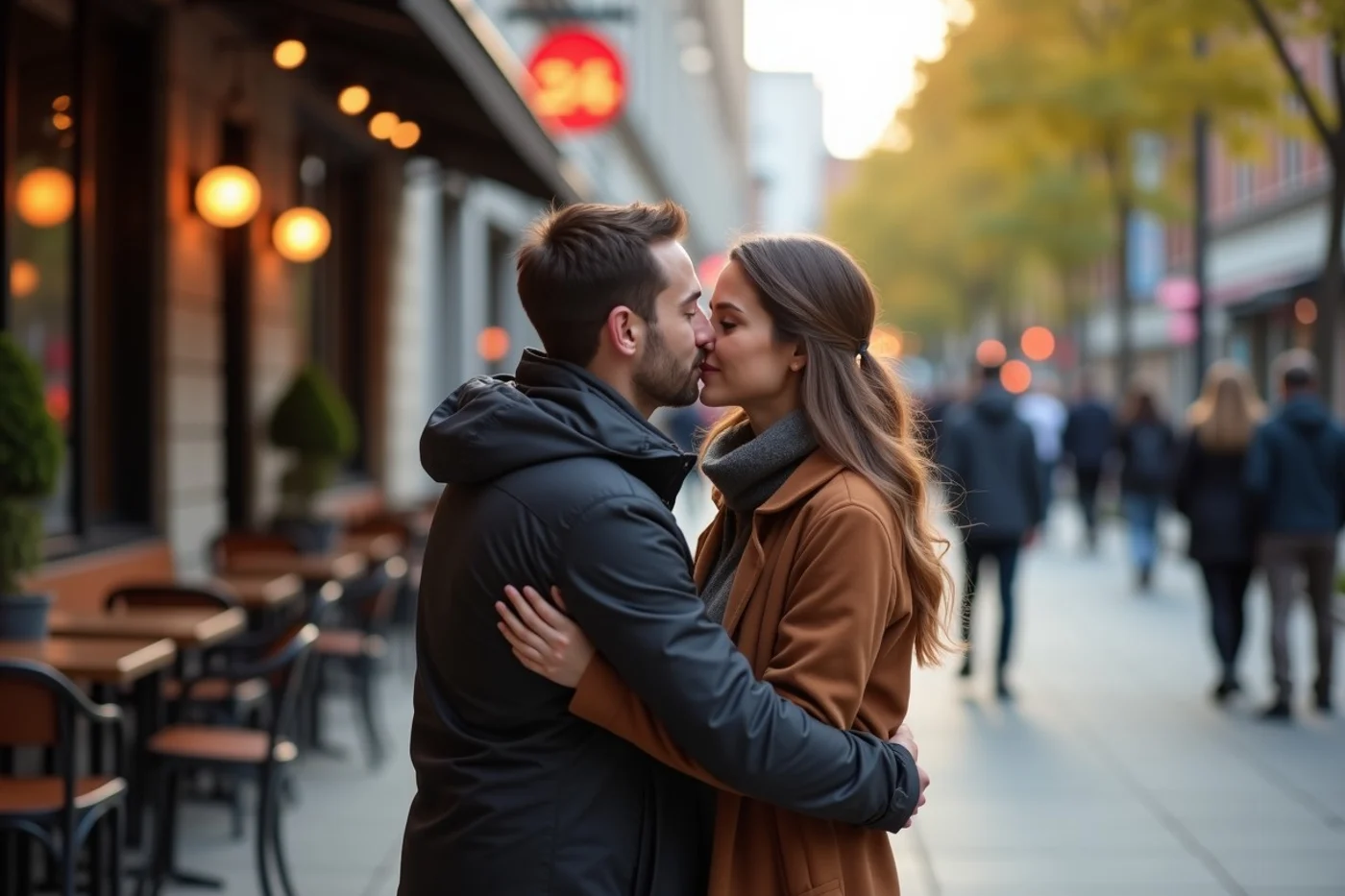
The clock tells you almost nothing. A coffee date that ends after 45 minutes and a dinner that runs for three hours carry no built-in obligation to kiss. Neither does reaching the end of the evening, walking someone to their car, or calling the outing a first date. Those are scheduling details, not permission.
What matters is shared interest, physical comfort, and enthusiastic consent. A first kiss fits when both people want that moment, not when one person feels they have waited long enough or believes a promising date needs a romantic finish. The same applies after a lively walk or an easy coffee: warmth during the date does not create a deadline at goodbye.
Drop the idea that waiting wastes momentum. Consent changes the meaning of the moment; a kiss that both people welcome is worth more than one performed to meet an imagined rule. When interest or comfort has not been established, let the date end without trying to manufacture a milestone. A calm goodbye can still mark a date that went well.
At the end of a promising date, uncertainty is normal
At a curb, outside a coffee shop, or beside a train entrance, the last minute often feels rushed. One person is reaching for keys, a rideshare is pulling up, other people are passing, and both may be deciding how to leave without seeming abrupt. That setting changes the calculation. Slow the goodbye by finishing it before stepping closer: face each other, give the moment a beat, and keep enough physical space for either person to move freely. A longer conversation, a walk that ran late, or an easy laugh at the door does not turn the departure into a required romantic finale.
Say a coffee date turns into an hour-long walk. The enjoyment is real, yet the goodbye remains a separate moment with its own choice. A brief spoken check-in lets both people say how they want to end the evening, while an unhurried pause removes any sense that an answer must arrive before the car door closes. The date has already gone well; a kiss need not prove it.
Signs of mutual physical interest and their limits
Sustained proximity, eye contact that returns and holds, a relaxed posture, and lingering at goodbye often point to interest. Notice the word “often.” Someone may stand close because the sidewalk is crowded, hold eye contact while listening, or delay leaving because they are waiting for a ride. A date who moves closer after you have moved closer offers more information than a single glance across the table, but even that is not permission. These are reasons to pay attention, not a basis for closing the distance. Enthusiastic consent is an affirmative choice to kiss; body language alone does not supply it.
Chemistry can invite a question, but it cannot replace consent

Easy laughter, a long conversation after coffee, or a date that seems reluctant to end can create a powerful impression of chemistry. That impression matters because it tells you the date felt alive to you. It cannot tell you whether your date wants a kiss at goodbye. Friendly attention may reflect courtesy, relief that the date went well, or enjoyment of the conversation. Nervousness can resemble flirtation, while uncertainty often wears a polite smile.
The distinction is simple but consequential. Attraction is your reading of the moment. Willingness to kiss is your date’s decision and requires an affirmative expression. Even strong rapport sometimes ends with a preference to wait. A warm date creates no entitlement to physical contact. Keep the story built from the evening in the background while your date decides. An assumed kiss forces a response after the fact; a pause lets the decision come first.
Ask clearly before closing the distance
A direct question is the cleanest way to turn a hopeful goodbye into a shared decision. Name the kiss plainly, then stop moving closer and give your date time to answer. Your body should match the question: hold your position, keep your hands to yourself, and let the response arrive without a deadline. Asking while already leaning in puts pressure on the answer; space lets it be real.
Plain language works best here. You can ask whether they would like a kiss, or whether it is okay to kiss them. The wording need not be clever, and a warm tone is enough. Once they say yes, proceed at an unhurried pace and stay attentive to their response. This keeps the moment from becoming formal while ensuring that both of you choose it.
Hesitation or mixed signals mean pause
After you ask, silence is not an answer to work around. A step backward, a turned cheek, nervous laughter, a vague response, or no movement toward you all point to the same decision: stop the attempt and give the goodbye its space. Repeating the question, edging closer, or waiting for them to relent turns uncertainty into pressure.
The consequence is simple. A kiss does not happen in that moment, and the date can still end warmly. Someone who wants one later has room to make that known on another occasion; pushing for certainty at the curb or door risks making a promising date feel unsafe. Pause, return to a comfortable distance, and move on with the farewell.
What if you do not want to kiss yet?
Not wanting a kiss tonight needs no defense. Say that you enjoyed meeting them and that you want to take the physical side more slowly, or simply say you are not up for a kiss. The advantage of being plain is that nobody has to decode a vague goodbye; the brief awkwardness is far smaller than the cost of going along with something you do not want.
A respectful response is immediate acceptance. No bargaining, teasing, sulking, or trying again after a refusal. Your date can say goodnight warmly, offer a nonphysical farewell, or head home. Their disappointment is theirs to handle; your boundary says nothing about their appeal.
Waiting leaves two honest paths: see each other again if the date held promise, or let the evening end there without pretending a kiss would have changed the answer.
Questions that often come up
Does a coffee or walk date change the decision about kissing?
No. A coffee shop, a park path, and a curb outside a restaurant differ in privacy and pace, not in what either person wants. A walk often has no formal ending until one person heads home, so pause and ask when the moment arrives. The setting never supplies permission.
What if the kiss itself feels awkward even though both people wanted it?
An awkward first kiss need not define the date. Smile, stay relaxed, and return to the conversation or goodbye. Nerves, an unfamiliar height difference, and a clumsy angle are common human details, not proof that interest was absent.
Does skipping a first-date kiss mean there will not be a second date?
No. Some promising dates end with a warm goodbye and a plan to meet again. Interest can show in attention, a direct invitation to keep seeing each other, and making plans for another date—not in meeting a deadline at the door.
Interest shows up in proximity, reciprocal eye contact, and an unhurried goodbye, yet none of those actions grants permission. Ask before moving closer, then give the answer time to land. Silence, a step back, nervous laughter, or a qualified reply means stop. A no needs no explanation and no second attempt. Leave with either a welcome yes or a warm goodbye that honors the pace set by both people.